Becoming pregnant — especially at 40 — has changed almost every part of my life. My routines, my priorities, and even my sense of identity have shifted. But the hardest change, the one that keeps catching me off guard, is how much it has limited my ability to show up for my mom during this stage of her eldercare journey.
For years, I was the primary caregiver for my father before he passed. I learned the rhythm of caregiving, the emotional labor behind medical decision-making, and the tenderness required to care for aging parents. When my mom’s health began declining due to Parkinson’s and vascular dementia, stepping back into a caregiver role felt instinctive. Being close to her, comforting her, and keeping her safe were not just duties — they were acts of love.
But this pregnancy has placed new physical limits on me. I can’t travel. I can’t assist with daily care tasks. I can’t sit by her bedside and brush her hair away from her face. I’ve entered an unexpected phase of long-distance caregiving, and the emotional distance has been even harder than the physical one.
And it hurts.
Missing My Mom in a New Way
I miss my mom — the soft, vulnerable version of her that dementia has shaped. She feels more like a fragile child now, someone I instinctively want to protect, comfort, and reassure. Someone whose face lights up when I walk into her room. Someone who looks at me as if I’m her anchor.
It feels like it’s been years since I’ve hugged her or held her hand, when in reality it’s been months. Pregnancy has stretched time and made distance feel heavier. There’s a particular ache that comes with being unable to support a parent while growing a child. It’s a quiet, tender heartbreak unique to the sandwich generation, and no one prepares you for it.
Gratitude and Heartache Can Coexist
What gives me peace is knowing my brother has stepped up in ways that make me deeply grateful. He handles her daily routines, ensures she eats and sleeps well, manages her medication, and brings joy into her days. He is her emotional support, her advocate, her steady presence.
I am thankful she is not alone.
But gratitude does not erase the ache.
This isn’t guilt — I’ve been through the intensity of end-of-life caregiving with my dad, and I know what I can and cannot manage. This is something different.
This is heartbreak. This is longing. This is the pain of missing someone who depends on you in ways you wish you could still meet.
Holding Onto Hope for What Comes Next
FaceTime has become my lifeline. I love seeing her eyes light up at the sound of my voice. Some days she recognizes everything; other days she doesn’t. But love still reaches her, even when memory doesn’t. That is the beauty — and the challenge — of dementia care.
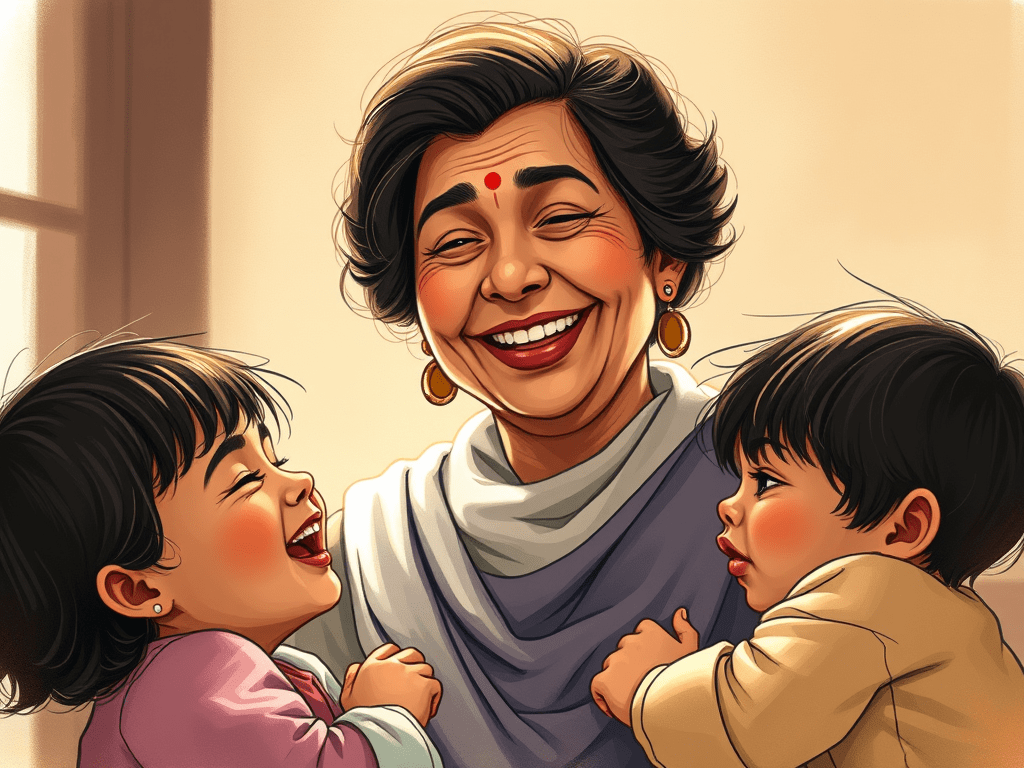
What keeps me grounded is the hope that the next time I see her, she won’t just be my mother — she’ll be a grandmother. I hope she gets to experience the joy and curiosity of meeting her new grandbaby. Even if dementia softens the details, I believe she will feel the love, the excitement, and the spark of something new entering our family.
Until then, I hold her close from afar — with love, longing, and the quiet resilience required in this season of caring for a parent while preparing to become one myself.



 Bureaucrat to Baby Steps
Leave a comment