Part of the series: The Fourth Trimester in Real Life — reflections on birth, recovery, community, and the quiet systems that shape early motherhood.
One of the things no one really prepares you for after pregnancy is how weak your body can feel.
After having a C-section, I quickly realized just how much my body had changed. My core strength was almost nonexistent, something that became obvious in the small, everyday movements—getting out of bed, lifting the baby, or even sitting up without using my arms to help.
Pregnancy and birth take a tremendous toll on the body, but the expectation seems to be that once you’re cleared at your six-week postpartum appointment, you’re simply supposed to resume normal life.
For me, it didn’t feel that simple.
During one of my follow-up appointments with my OB-GYN at MedStar, I asked about pelvic floor physical therapy. I wanted help rebuilding my core strength and addressing what many women refer to as the “C-section shelf,” something that can happen when abdominal muscles weaken and scar tissue forms after surgery.
My doctor was very supportive of the idea. But she also warned me about something I hadn’t anticipated: it could take months to actually get an appointment.
Pelvic floor physical therapists are highly specialized, and there simply aren’t enough of them. In the city, wait times were long. One location had a seven-month wait. Another had a three-month wait.
I put my name down for the three-month option.
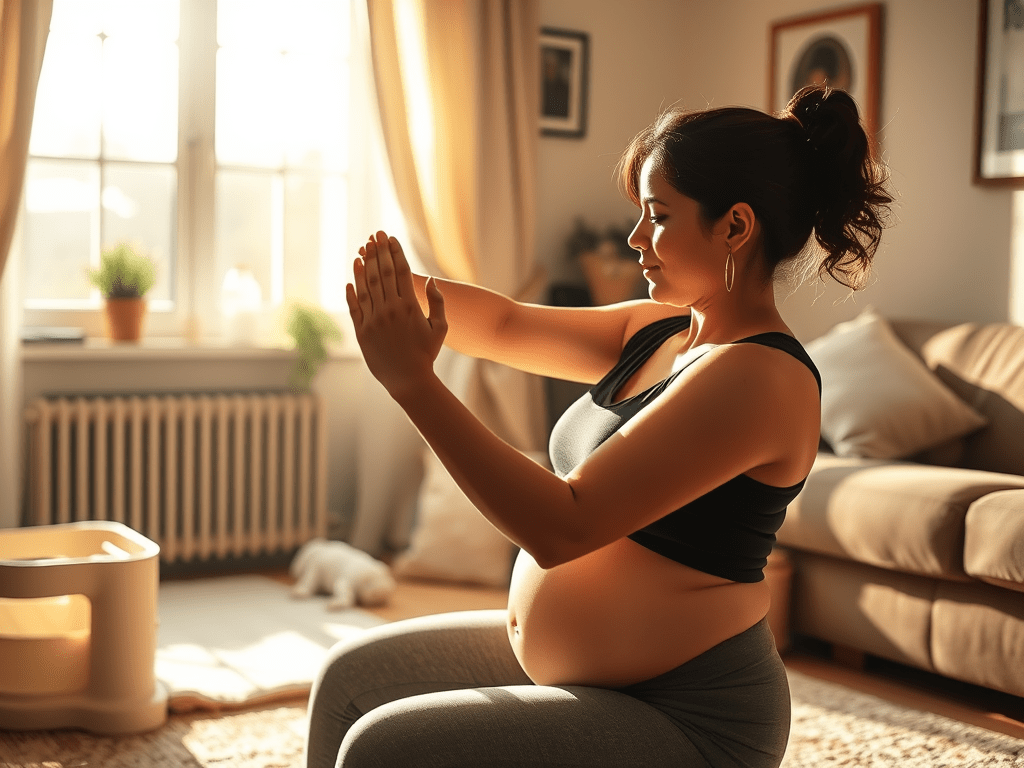
In the meantime, I tried to find ways to start rebuilding strength on my own. During pregnancy, I had used Hinge Health for pelvic floor therapy, which had been helpful. After giving birth, I began using Sword Health to continue working on postpartum exercises.
The idea behind these apps is great. They provide guided exercises and structured programs you can do at home, which can be especially helpful when in-person care is delayed.
But the reality of doing physical therapy at home with a newborn is complicated.
In theory, it sounds convenient. In practice, it can be hard to find uninterrupted time to focus on exercises when a baby needs feeding, soothing, or attention at unpredictable moments. Some days, I manage to carve out a few minutes to do the movements. Other days, the schedule of caring for a newborn takes over, and consistency becomes difficult.
Ironically, in some ways it might actually be easier to attend physical therapy sessions in person—if you have childcare—because it gives you dedicated time to focus on recovery.
Still, the process has been a reminder that postpartum healing doesn’t end at six weeks. For many women, it takes months, sometimes longer, to rebuild strength and feel comfortable in their bodies again.
There is also an emotional side to that recovery.
Like many new mothers, I’ve felt self-conscious about how my body looks after pregnancy and surgery. The changes are real, and they don’t disappear overnight. Rebuilding strength has become less about “bouncing back” and more about slowly reconnecting with my body and giving it the patience it deserves.
As someone who spent years working on food security and maternal health programs overseas, I’ve often thought about how recovery after childbirth is discussed in development settings versus at home. In many of the programs I helped manage, maternal health interventions recognized that women’s bodies need time, care, and support after birth. Nutrition counseling, mother’s groups, and community health workers were all designed to help women recover and regain strength while caring for their children. Experiencing postpartum recovery myself has made me realize how many gaps still exist here. Even with access to healthcare, specialized services like pelvic floor physical therapy can be difficult to access, delayed by long waitlists, or left for women to navigate on their own.
Rebuilding strength after birth is a gradual process—one that requires time, consistency, and compassion for yourself. And perhaps most importantly, it’s a reminder that postpartum recovery isn’t just about caring for a newborn. It’s also about caring for the person who gave birth.
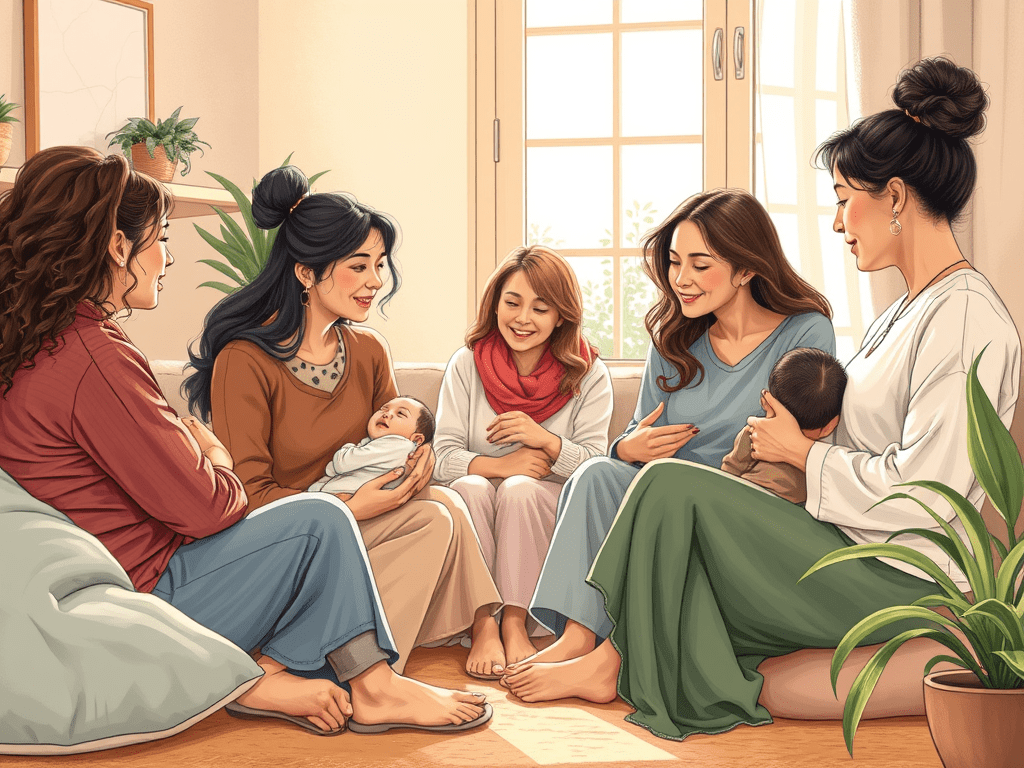
Looking back across these past few months, I realize this entire postpartum journey has been about learning where support truly comes from. Some of it comes from systems and healthcare providers. Some of it comes from community—from friends, neighbors, and other mothers walking the same path. And some of it comes from the quiet lessons we carry from the people who raised us.
Motherhood has a way of revealing all of those layers at once. It asks you to care for a new life while slowly rebuilding your own strength. And along the way, you begin to understand that recovery, like parenting itself, is not something we are meant to do alone.


 Bureaucrat to Baby Steps
Leave a comment